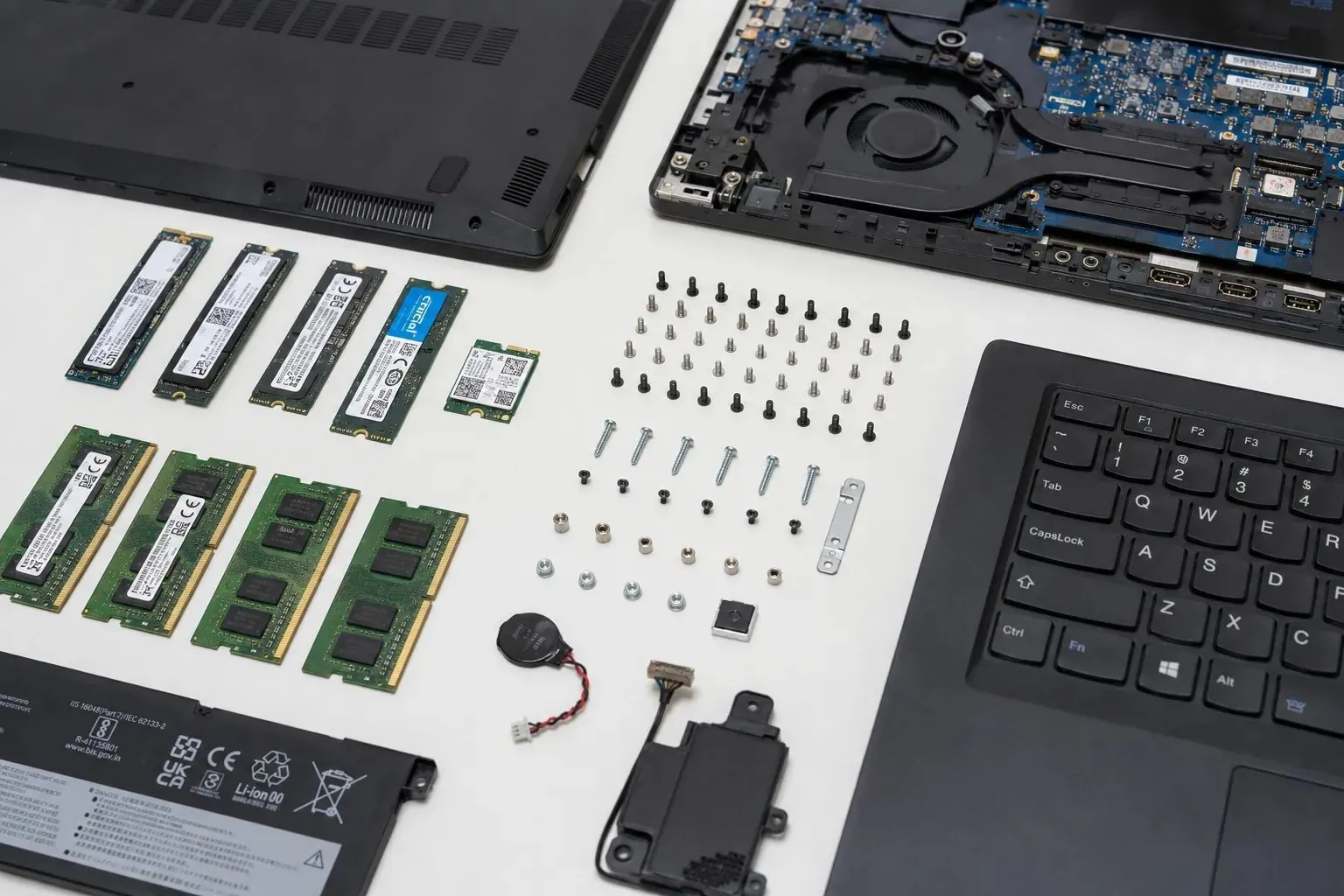
Electronic waste, or e-waste, covers any discarded electrical or electronic equipment: computers, phones, cables, batteries, appliances and more. For businesses in the UAE, disposing of it correctly means two things: following waste rules, and making sure no data leaves on the devices.
The rules
- Federal Law No. 12 of 2018 on Integrated Waste Management sets the national framework, including duties for waste producers and the requirement to use licensed operators.
- Dubai: Law No. 18 of 2024 regulates waste management in the emirate. Its implementing rules, Administrative Resolution No. 34 of 2026 issued by Dubai Municipality, cover permits for waste-related activities, hazardous waste registers, containers, labelling and transport.
- Abu Dhabi: waste is overseen by the Abu Dhabi Waste Management Centre (Tadweer).
- Sharjah: waste management is run by Bee’ah.
- Cross-border: hazardous e-waste exports fall under the Basel Convention, to which the UAE is a party.
This is general information, not legal advice. Check the current rules for your emirate and activity.
Step by step
- Separate reusable equipment. Working laptops, phones, monitors and servers are not waste: they can be sold. Selling them first recovers value and reduces what goes to recycling.
- Destroy the data. Anything that stored data, including printers, phones, CCTV recorders and network equipment, should be wiped or shredded with a certificate.
- Handle batteries separately. Lithium and lead-acid batteries are hazardous and need safe packaging and a licensed battery recycler.
- Use a licensed recycler. Ask for the recycler’s licence and where each material stream goes.
- Keep the documentation. Weights by material stream, destruction certificates and recycling records.
What not to do
- Put e-waste in general waste skips.
- Hand equipment to unlicensed collectors who strip valuable parts and dump the rest.
- Sell devices with drives intact to informal buyers.
Does e-waste disposal cost money?
Often it pays. When a collection includes working IT, the buyback value usually covers the cost of recycling the rest. Loads of low-value scrap, such as broken small appliances or some battery types, can carry a fee. A good provider tells you before collection.
Need this done for you?
Gulf Asset Services buys used IT across the GCC and destroys the data on every device, with a certificate per serial number.
Get a quote in 24 hours